Myth: Implants Need to Be Replaced Every 10 Years
False. This is one of the most persistent and damaging implant myths. Modern implants do not have a fixed lifespan or scheduled replacement date. The guidance from major manufacturers and surgical organisations is that implants do not need to be replaced on a schedule — they should be replaced if there is a specific medical reason to do so (rupture, significant capsular contracture, patient dissatisfaction) or if the patient chooses to change size. Many women have implants that have functioned without problems for 20–30 years without requiring replacement.
Myth: Implants Cause Breast Cancer
False. Extensive epidemiological research involving hundreds of thousands of women has found no association between breast implants and increased breast cancer risk. Women with implants have similar breast cancer rates to the general population. Implants may complicate mammography interpretation (additional imaging views are used to work around this) but do not cause or promote cancer. The rare BIA-ALCL is a lymphoma of the scar tissue, not breast cancer, and is associated specifically with textured implants.
Myth: You Can't Breastfeed with Implants
Partially false. Many women successfully breastfeed with breast implants. The ability to breastfeed depends primarily on surgical technique — specifically, whether the milk ducts and nerves were disturbed during surgery. Periareolar incisions (around the nipple) carry higher risk of disrupting breastfeeding function than inframammary incisions. Women who want to preserve breastfeeding capacity should discuss this with their surgeon before surgery.
Myth: Implants Feel Obviously Fake
Mostly false with modern silicone. Modern cohesive silicone gel implants feel very similar to natural breast tissue, particularly in women with adequate natural breast tissue coverage. Many people are unable to distinguish moderate-sized silicone implants from natural tissue by touch. Very large implants or implants with inadequate tissue coverage may be more detectable, and saline implants feel firmer than silicone.
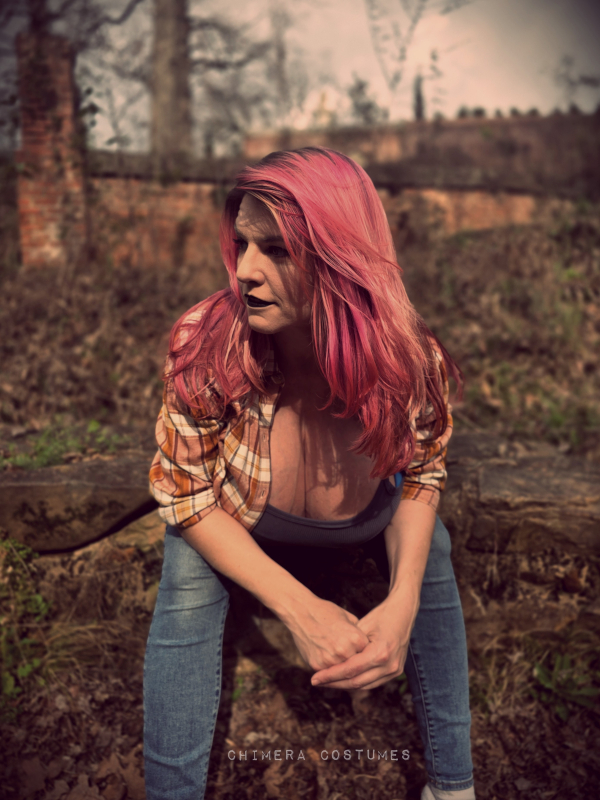
★ Featured Creator
4,700cc • Punta Gorda, FL • Master Seamstress
Heidi Lange builds extraordinary dark fantasy costumes entirely from scratch — shadow elves, vampire queens, gothic sorceresses. Her 4,700cc implants make her one of the most visually spectacular busty cosplay creators anywhere. Her adult content is 18+.